English
Products Categories+
Product Introduction
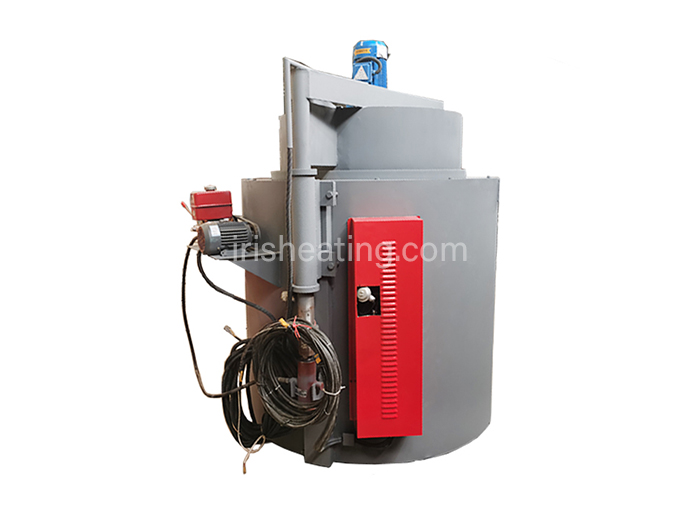
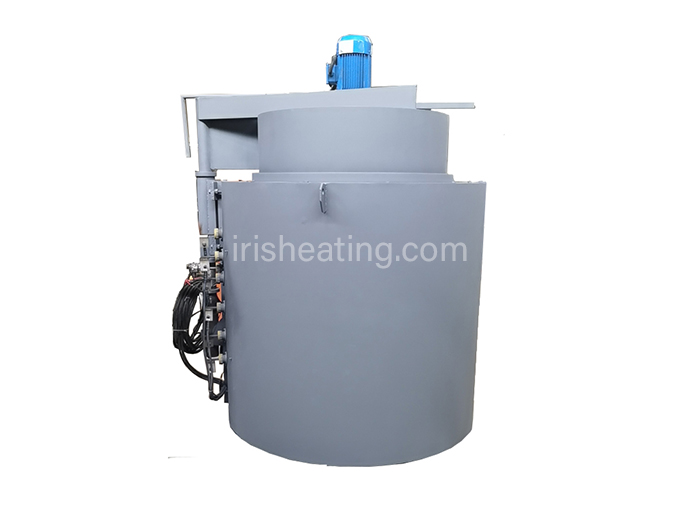
Commonly used quenching media include brine, water, mineral oil, and air. Quenching can improve the hardness and wear resistance of metal workpieces, and is therefore widely used in various tools, molds, gauges, and parts requiring wear resistance (such as gears, rolls, carburized parts, etc.).
By combining quenching with tempering at different temperatures, the strength, toughness, and fatigue strength of metals can be significantly improved, and a balance of these properties (comprehensive mechanical properties) can be achieved to meet different application requirements.
In addition, quenching can also impart certain physicochemical properties to some special steels, such as enhancing the ferromagnetism of permanent magnet steel and improving the corrosion resistance of stainless steel.
The quenching process is mainly used for steel parts. When commonly used steels are heated above their critical temperature, the original microstructure at room temperature will be entirely or mostly transformed into austenite. Subsequently, the steel is rapidly cooled by immersion in water or oil, and the austenite transforms into martensite. Compared to other structures in steel, martensite has the highest hardness. Rapid cooling during quenching can generate internal stresses within the workpiece, which, when they reach a certain level, can cause distortion, deformation, or even cracking.
Therefore, it is essential to select a suitable cooling method. Based on the cooling method, quenching processes are classified into four categories: single-liquid quenching, dual-medium quenching, martensitic graded quenching, and bainitic isothermal quenching.
Related Products
Inquiry
If you need our products please write down any questions, we will reply as soon as possible.